Fort Jackson Modular CHP Resiliency Initiative
From unsolicited feasibility work to federally funded design: how RV Sinkler and Aegis Energy Services brought modular Combined Heat & Power resiliency to Fort Jackson.
U.S. Army, Fort Jackson, South Carolina · Fort Jackson, South Carolina
Executive Summary
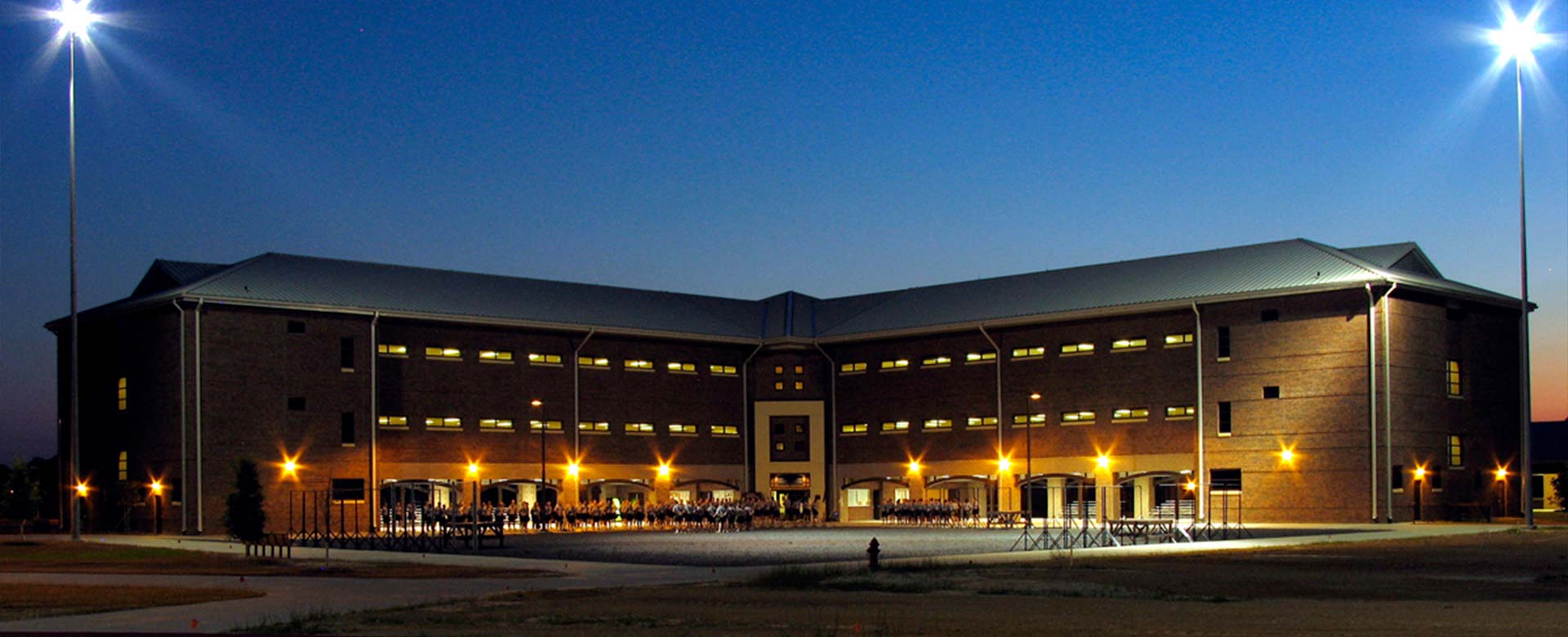
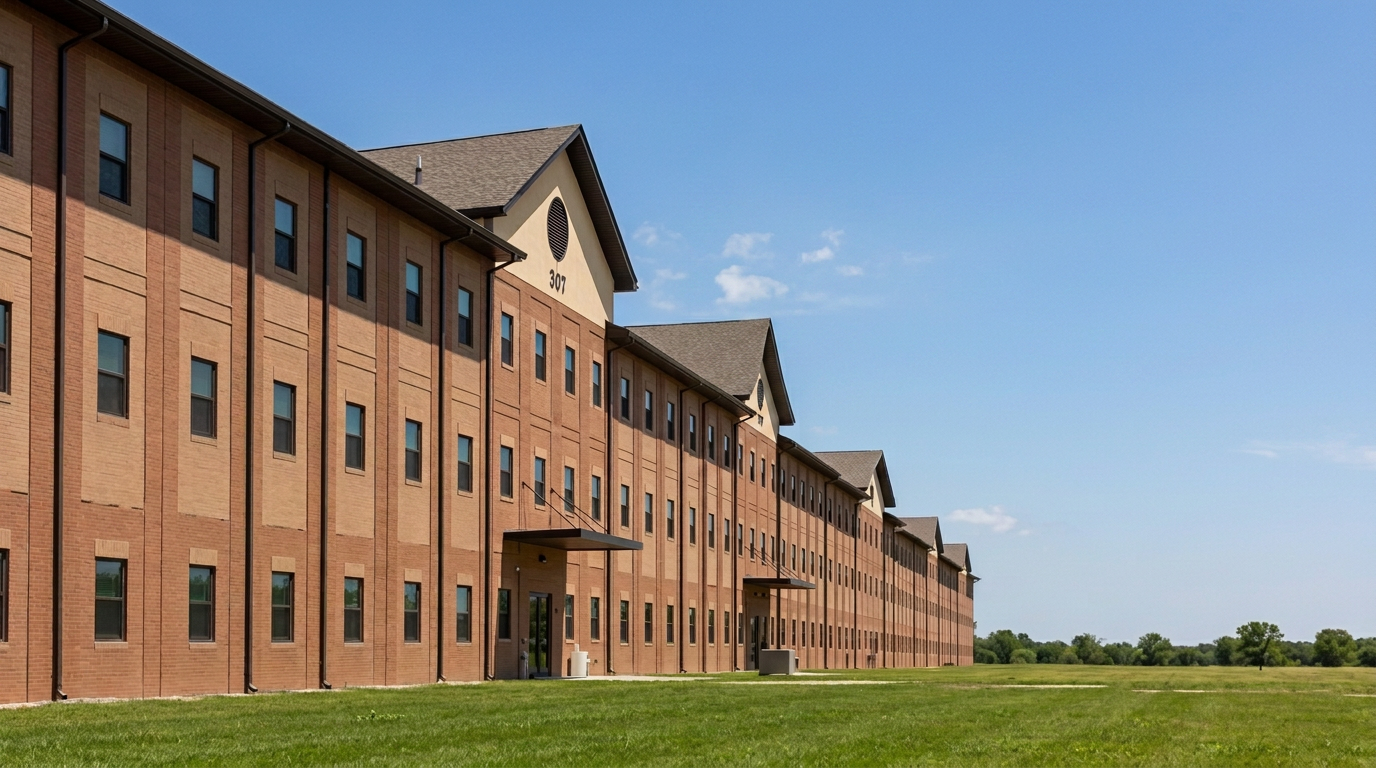
RV Sinkler, working alongside Aegis Energy Services, introduced Fort Jackson to modular Combined Heat & Power as a resiliency and energy-savings solution for base facilities. Through a series of feasibility studies, the team identified viable CHP applications across multiple buildings and delivered more than ten unsolicited proposals to the base, work that earned a standing invitation to evaluate additional sites for future projects. One proposal, a novel CHP design aimed at barracks resiliency and energy savings, generated enough interest that Fort Jackson moved to find a way to fund it. Built on RV Sinkler and Aegis's proposal work, the base applied for and secured funding through the Army's Energy Resilience and Conservation Investment Program (ERCIP).
The Project Approach
- 01Feasibility
- 02Funded Program
- 03Technical Engagement
Building Trust Through Feasibility Work
RV Sinkler and Aegis didn't wait for a solicitation to bring value to Fort Jackson. The team proactively studied the base's facilities, quantified the energy-savings and resiliency case for modular CHP, and translated that analysis into a series of unsolicited proposals, an approach that led to more than ten proposals being delivered and an ongoing invitation to assess additional sites.
From Concept to Funded Program
Among those proposals was a novel CHP design that Fort Jackson wanted to fund immediately. RV Sinkler and Aegis worked with the U.S. Army Corps of Engineers, Charleston District, on the design and engineering behind that funding application, including evaluating upsized CHP units beyond the original design concept to deliver additional power and resiliency margin, and provided budget-level cost estimates to support that expanded scope.
Continued Technical Engagement
With ERCIP funding secured, Fort Jackson selected a prime contractor to execute the funded design. Because the CHP resiliency approach RV Sinkler and Aegis introduced is new to the base and the broader Army, the team has stayed engaged with the executing contractor on design considerations and is working toward Fort Jackson's approval to support design refinement as the project moves into execution.
System Configuration
- Origin
- Unsolicited feasibility studies and proposals, RV Sinkler and Aegis Energy Services
- Proposals Delivered
- 10+ to date
- Design Basis
- Modular CHP, individual unit sizing evaluated up to and beyond 150 kW per plant
- Funding Mechanism
- ERCIP (Energy Resilience and Conservation Investment Program)
- Engineering Collaboration
- U.S. Army Corps of Engineers, Charleston District
- Location
- Fort Jackson, South Carolina
- Status
- Design origination complete; funded execution underway
What Defines This Project
- Unsolicited feasibility studies across multiple base facilities
- More than ten unsolicited proposals delivered to date
- Standing invitation to evaluate additional sites
- Novel modular CHP design concept originated with Aegis Energy Services
- ERCIP funding secured by Fort Jackson based on the proposal work
- Continued technical engagement as the funded design moves into execution
RV Sinkler's Delivered Scope
- Facility feasibility studies
- Energy-savings and resiliency analysis
- Unsolicited proposal development
- Modular CHP design concept origination
- Design and engineering support for the funding application
- Budget-level cost estimating for upsized CHP scope
- Continued technical engagement with the executing contractor
Aligned With Federal Energy Security Policy
- Army Directive 2017-07 — Installation Energy and Water Security Policy
- Executive Order 13693, Section 3 — Emissions and carbon footprint reduction
Why This Project Matters
Federal installations don't fund resiliency concepts they don't trust. Fort Jackson's decision to pursue ERCIP funding based on RV Sinkler and Aegis's unsolicited proposals, and to keep inviting the team back to evaluate new sites, reflects the kind of technical credibility RV Sinkler brings to every engagement: identifying opportunities before they're solicited, translating them into fundable designs, and staying engaged through execution.
Outcome
RV Sinkler and Aegis's proposal work directly led to Fort Jackson securing ERCIP funding for a modular CHP resiliency program.
Discuss Federal Energy Resilience Projects
Bring RV Sinkler in early. We will review the requirements and define the engineering, procurement and construction path to commissioning.